

Why Second Motion Delays Derail Divorce Timelines in Indian Courts
Ravi and Priya walked out of the family court in Bengaluru feeling exhausted. Their mutual consent divorce should have been simple – both agreed, all paperwork was ready. But once again, the judge granted an adjournment. The elusive second motion was pushed back by another month, with no guarantee the next date would be final. If you’re in the middle of such a process, you know the frustration. Each delay in the second motion stretches the divorce timeline, drains mental energy, and leaves lives in limbo.
The second motion delay isn’t just a technical term – it’s the single biggest reason why divorce timelines in Indian courts can spiral from months to years. From court backlogs to procedural slip-ups, the reasons are plenty. But the impact is always the same: stalled closure and mounting uncertainty.
A second motion delay in Indian divorce cases means the mandatory waiting period or procedural errors have pushed the final hearing further, often adding months – or even years – to the divorce timeline. Couples face repeated adjournments, court backlogs, and unpredictable case status updates, making a quick resolution rare.
How Second Motion Delays Stall Divorce Proceedings in India
What Is a Second Motion Delay in Divorce Cases?
A second motion delay happens when the final hearing in a mutual consent divorce is postponed beyond the minimum six-month waiting period required by law. This delay can result from administrative issues, court backlog, or even last-minute changes by either party. The second motion is the final step before the court pronounces the divorce decree, so any holdup here directly extends the overall divorce timeline.
The Legal Background
- In India, Section 13B of the Hindu Marriage Act requires two motions for mutual consent divorce.
- The first motion is the joint petition; the second motion, after a waiting period, is the final joint statement in court.
- The law mandates a six-month gap, but practical delays often stretch this much longer.
How Delays Happen
- Courts may set the second motion date months after the six-month period due to heavy dockets.
- Procedural errors – like missing affidavits or incomplete documentation – force adjournments.
- Sometimes, one spouse is absent or requests more time, which the court usually allows.
Common Triggers for Second Motion Delay
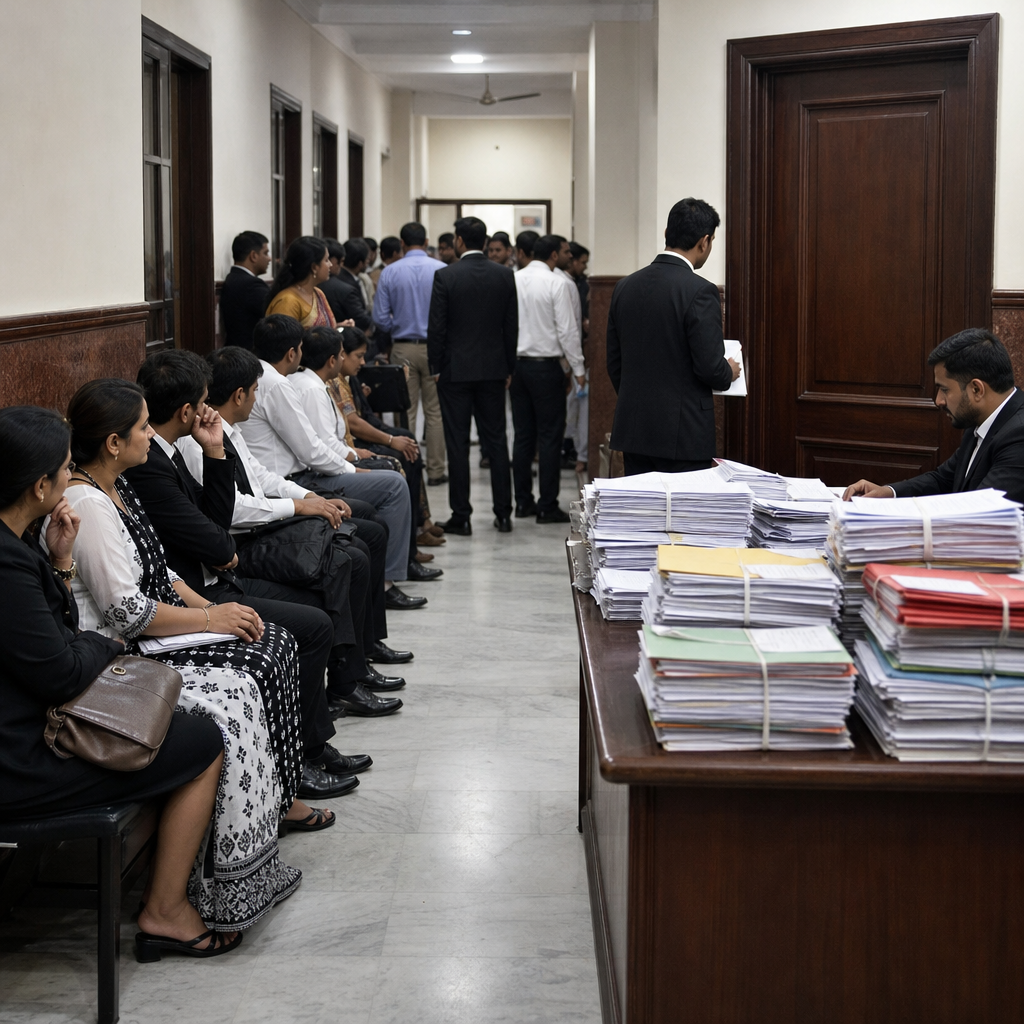
- Court backlog: Family courts in cities like Delhi, Mumbai, and Chennai often have more cases than judges can handle.
- Adjournments: Either party or their lawyers may ask for more time, intentionally or not.
- Procedural errors: Incorrect paperwork or missed affidavits can stall proceedings.
Honestly, even a small clerical error can push your case back by weeks. It’s not always fair, but it’s the reality.
Why Second Motion Delays Matter: Impact on Divorce Timelines
Second motion delays can turn a straightforward six-to-eight month divorce into a two-year ordeal. The legal system’s unpredictability and the emotional toll on families make this a serious concern.
Emotional and Practical Impact
- Couples remain legally married, unable to move on or remarry.
- Uncertainty over case status causes anxiety and stress.
- Children, if involved, get stuck in limbo about living arrangements and custody.
Real-World Examples
- Case Study: Mumbai Family Court
– Average mutual divorce time: 18 – 24 months, mostly due to delayed second motions.
– 70% of adjournments attributed to court backlog or absent parties. - Delhi High Court Observation (2022):
– Noted that procedural errors and repeated adjournments are the top reasons for extended divorce timelines.
Financial Consequences
- Ongoing legal fees for each court appearance.
- Separate living costs for spouses waiting for final orders.
- Difficulty dividing assets or moving forward with property sales.
If you’re budgeting for a quick divorce, these delays can really mess up your plans. It’s not just about the law – it’s about real lives getting stuck.
Key Reasons Behind Second Motion Delays
Second motion delays rarely happen because of a single factor. Usually, it’s a mix of systemic problems, human issues, and sometimes, deliberate tactics.
Court Backlog and Systemic Issues
- Family courts are overwhelmed, especially in metros.
- Judges handle hundreds of cases, leaving little time for each hearing.
- Infrastructure gaps – lack of digital records, limited staff – compound the problem.
Procedural Errors
- Missed affidavits, wrong case numbers, or incomplete joint statements halt progress.
- Missing signatures or wrong dates in the petition can force a fresh filing.
- Even small errors mean another trip to the court clerk, another waiting period.
Adjournments and Legal Strategies
- Lawyers may request adjournments for genuine or strategic reasons.
- Sometimes, one spouse uses delay tactics as leverage for better settlement terms.
- Courts tend to grant adjournments easily, especially if one party claims illness or travel.
Absenteeism and Personal Factors
- One spouse may not appear due to work, relocation, or cold feet about divorce.
- In cross-border divorces, travel restrictions or visa issues cause extra delays.
I’ve seen cases where a single missed train led to a two-month wait for the next date. It sounds silly, but it happens more than you’d think.
The Divorce Timeline: From Filing to Final Decree
Understanding the step-by-step divorce timeline helps pinpoint where second motion delays hit hardest.

Typical Process for Mutual Consent Divorce
- First Motion Filing: Both parties file a joint petition.
- Cooling-Off Period: Minimum six months (can extend up to 18 months).
- Second Motion Hearing: Final joint statement before the judge.
- Decree of Divorce: Court issues final orders.
Where Delays Occur
- The second motion hearing often gets scheduled much later than the minimum waiting period.
- Adjournments at this stage can happen repeatedly, sometimes due to trivial reasons.
- If either party is absent or paperwork is incomplete, the hearing is moved to a fresh date.
Comparison Table: Scheduled vs. Actual Timelines
| Stage | Scheduled Duration | Common Delays | Real-World Duration |
|---|---|---|---|
| First Motion Filing | 1 day | None | 1 – 2 days |
| Cooling-Off Period | 6 – 18 months | Court backlog, holidays | 6 – 20 months |
| Second Motion Hearing | 1 day | Adjournments, errors | 1 – 6 months extra |
| Decree of Divorce | 1 – 2 weeks | Judge’s schedule | 2 – 4 weeks |
So, even if you do everything right, you might still wait a year or more. That’s the hard truth about family court delays in India.
How Court Backlogs and Adjournments Create Bottlenecks
Even the best-prepared cases get stuck if the court system is overloaded. Court backlog and frequent adjournments are the biggest enemies of a predictable divorce timeline.
Understanding Court Backlog
- In 2023, Indian family courts had over 4 lakh pending divorce cases.
- High case volume means every hearing is squeezed into a packed calendar.
- Judges often have to reschedule, especially if a previous case runs long.
Adjournment Culture in Indian Courts
- Adjournments are routine, not the exception.
- Either party can request an adjournment, and courts usually grant it without much scrutiny.
- Common reasons: illness, travel, lawyer’s schedule, or missing paperwork.
Impact on Case Status
- Each adjournment means a fresh wait – often 4 to 8 weeks for the next date.
- Case status updates can lag, so parties aren’t always aware of the new schedule.
- Delays snowball, especially if multiple adjournments stack up.
If you’re checking your case status online and it hasn’t moved in months, you’re not alone. That’s the backlog at work.
Procedural Errors and Their Ripple Effects
Procedural errors might sound minor, but they can derail even the most straightforward divorce. Every missing document or incorrect filing adds more time to the process.
Common Procedural Mistakes
- Missing affidavits or incomplete joint statements.
- Incorrectly filled forms, especially regarding child custody or alimony.
- Not following local court rules for documentation.
How Errors Cause Delays
- Court clerks reject incomplete files, forcing parties to refile or correct errors.
- Judges may refuse to proceed if the paperwork doesn’t match legal requirements.
- Each correction means another visit to the court and a new hearing date.
Preventing Procedural Errors
- Double-check all paperwork with your lawyer before filing.
- Use checklists specific to your court’s requirements (these vary by state).
- Keep copies of every document and receipt.
Honestly, I’d skip doing this without a lawyer unless you’re prepared for a paperwork maze.
Legal Strategies and Tactics: Deliberate Delays or Miscommunication?
Not every second motion delay is accidental. Sometimes, parties or their lawyers use the system to their advantage – or simply fail to communicate properly.

Strategic Delays
- A spouse may delay to negotiate better settlement terms.
- Some use adjournments to buy time for property division or child custody arrangements.
- Lawyers may stretch dates if their fees are hourly or appearance-based.
Miscommunication and Absenteeism
- Misunderstanding the hearing date or time leads to missed appearances.
- In cross-state or NRI divorces, communication gaps cause confusion about schedules.
- Outdated contact details mean important notices never reach the right person.
Signs You’re Facing a Deliberate Delay
- Repeated absence of the same party.
- Sudden changes in legal representation.
- Last-minute requests for adjournment with vague reasons.
If you notice these patterns, talk to your lawyer about your options. Sometimes, a stern word from the judge is needed to break the cycle.
Coping With and Minimising Second Motion Delays
While some delays are out of your hands, you can take steps to reduce the risk and handle setbacks better.
Best Practices for Couples and Lawyers
- Prepare all documents in advance and check for errors.
- Track your case status online through the court’s portal.
- Attend every scheduled date in person, if possible.
- Maintain regular communication between both parties and their lawyers.
Proactive Steps to Avoid Delays
- Document Checklist: Make a list of every document required by your local court.
- Early Preparation: Start gathering affidavits and evidence before the first motion.
- Regular Follow-Up: Call or visit the court office a week before your hearing to confirm the schedule.
- Contingency Planning: If you anticipate travel or illness, inform the court in advance.
Escalation Options
- If delays persist, your lawyer can file an application for an expedited hearing.
- In extreme cases, you can approach the High Court for intervention.
- Mediation centers attached to family courts can sometimes help speed up settlements.
No approach is foolproof, but a bit of preparation can shave weeks or even months off your timeline.
Trends, Reforms, and the Future of Divorce Timelines in India
The Indian judiciary is slowly recognising the pain caused by family court delays, including second motion bottlenecks.
Digital Initiatives and Fast-Track Courts
- Some states now allow e-filing of divorce petitions and digital case status updates.
- Fast-track family courts have been set up in cities like Delhi and Bengaluru, though capacity is still limited.
- Video conferencing for NRI divorces is gaining traction, reducing travel-related delays.
Proposed Legal Reforms
- Law Commission reports have recommended reducing the mandatory six-month waiting period in special cases.
- Calls for stricter rules around adjournments and penalties for procedural lapses.
- Push for more mediation before court filings to reduce overall caseload.
What to Watch For
- Wider adoption of online court management systems.
- Policy changes to streamline mutual consent divorce, especially for childless couples.
- Increased awareness and training for court staff to spot and fix procedural errors early.
Change is slow, but it’s coming. For now, knowing the system’s weak points is your best defense.
Frequently Asked Questions
What is a second motion in mutual consent divorce?
A second motion is the final joint statement by both spouses before a judge, after the mandatory six-month waiting period in a mutual consent divorce. Only after the second motion does the court grant the divorce decree.
How long does the second motion take after the cooling-off period?
While the law requires a minimum six-month waiting period, the second motion hearing can take anywhere from a few days to several months after that, depending on court backlog and scheduling.
What causes delays in the second motion of a divorce?
The main reasons for second motion delays are court backlog, repeated adjournments requested by either party, procedural errors in paperwork, and absenteeism by one or both spouses.
Can the six-month waiting period be waived?
Yes, Indian courts can waive the six-month cooling-off period in mutual consent divorce if both parties show that reconciliation isn’t possible and all issues are settled. This is done by filing an application for waiver, which the court may accept at its discretion.
How do I check the status of my divorce case online?
You can check your divorce case status on the eCourts portal or your state’s judiciary website by entering your case number, party name, or advocate details. Updates include hearing dates and court orders.
What documents are needed for the second motion?
You typically need the original marriage certificate, joint petition, affidavits from both parties, proof of settlement (if any), and proof of residence. Always verify your court’s exact requirements.
How can I avoid procedural errors in my divorce?
Work closely with a qualified lawyer, double-check all forms, and use a checklist tailored to your court’s guidelines. Simple mistakes like missing signatures or incorrect dates are common but avoidable.
What happens if one party is absent during the second motion?
If one spouse is absent without a valid reason, the court may adjourn the matter or, in some cases, dismiss the petition. Frequent absences can significantly delay the divorce timeline.
Can the second motion be done without both parties present?
No, both parties must appear in person before the judge for the second motion, except in rare cases where video conferencing is allowed for NRIs or those abroad.
Are court backlogs improving for family courts in India?
Some improvement is seen in metros with fast-track courts and digital filing, but overall, family court delays remain common due to high caseloads.
What is an adjournment, and how does it affect my case?
An adjournment is a postponement of your court hearing to a later date, usually granted on request by either party or due to court scheduling issues. Each adjournment can push your case back by weeks or months.
Can I speed up my divorce if there is a second motion delay?
You can request an expedited hearing through your lawyer or approach higher courts if delays are unreasonable. Preparing complete paperwork and attending every hearing also helps reduce delays.
What legal strategy should I use to minimise delays?
Stay organised, communicate clearly with your lawyer and spouse, avoid unnecessary adjournments, and ensure all documentation is complete and error-free.
How do family court delays affect children in divorce cases?
Delays can prolong uncertainty about living arrangements, custody, and emotional stability for children involved in divorce proceedings.
Is mediation faster than court for resolving divorce issues?
Mediation can resolve issues faster than court, especially for settlements on child custody, alimony, or property, but the divorce decree still requires court approval.
Key Takeaways
- Second motion delay is the main reason mutual consent divorces drag on in India.
- Court backlog and adjournments can add months or years to the divorce timeline.
- Procedural errors, like missing paperwork, often cause avoidable delays.
- Both parties must appear for the second motion; absence means fresh adjournments.
- Keeping documents ready and checking your case status online helps minimise delays.
- Lawyers sometimes use adjournments as a legal strategy, so stay alert.
- Family court delays impact not just couples, but children and extended families too.
- Fast-track courts and digital initiatives are slowly improving timelines.
- Mediation can speed up settlements but doesn’t replace court orders.
- Always confirm your hearing date and paperwork with your lawyer to avoid surprises.
Divorce in India is rarely as quick as the law suggests. Second motion delays are a stubborn reality, shaped by court backlog, procedural errors, and the culture of adjournment. If you’re caught in this process, focus on preparation and persistence. The system may be slow, but small steps – like double-checking paperwork and attending every date – can make a real difference. For now, patience and vigilance are your best legal strategy.
