

When Divorce Decrees Backfire: Legal Complications After Finalization
Divorce is supposed to be the finish line. You sign the papers, the judge stamps the decree, and life moves forward – at least, that’s what most people hope. But sometimes, weeks or months after the final order, trouble knocks again. Maybe your ex stops paying alimony, takes a surprise job overseas with your child, or suddenly claims your old flat as theirs. These are not rare stories in Indian courts. Divorce decree complications can turn what should be closure into a fresh legal headache, dragging both sides back into the system.
Why does this matter? Because a divorce decree is not a magic wand. It’s a legal document with real-world consequences, and mistakes or surprises after finalization can cost you money, peace, and years you can’t get back. If you’re dealing with alimony disputes, child custody changes, or property settlement issues after your divorce, you’re not alone. Understanding where things go wrong – and how to fix them – can save you from repeating the same cycle.
Lawyers and judges see these problems all the time. From misreading a single line in the agreement to discovering hidden assets, many complications only show up when it’s too late. Sometimes, the decree itself is unclear, or new circumstances force everyone to rethink what was agreed. If you want true closure, not just a piece of paper, you need to know how these issues start and what you can do when they hit.
A finalized divorce decree is not always the end – legal complications like unpaid alimony, surprise custody battles, and property disputes can force you back to court, requiring decree modification, appeals, or fresh litigation to protect your rights.
What Can Go Wrong After a Divorce Decree?
Many people think once the decree is signed, the story ends. In reality, the ink barely dries before some new problem pops up. Divorce decree complications are common, and they hit both men and women equally. Here are the most frequent trouble spots:
- Alimony disputes: One party stops paying or wants to change the amount.
- Child custody changes: Sudden moves, remarriage, or disagreements about schooling.
- Property settlement issues: Disputes over who owns what, especially when paperwork is missing or vague.
- Hidden assets: Discovering bank accounts, properties, or investments after the decree.
- Non-compliance: One side simply ignores the court’s order.
Let’s look at each of these with real examples and practical advice.
Alimony Disputes: Not Just About Money
Alimony, or maintenance, is usually set based on income, need, and lifestyle. But life changes. Maybe your ex loses a job or suddenly gets a big raise. Sometimes, payments just stop coming. In India, courts see both sides: women struggling to collect and men claiming they can’t pay.
- Delayed or missed payments often lead to contempt petitions. The court can even order salary attachment.
- Reassessment requests happen if there’s a big change in income or remarriage.
- Tax headaches can crop up if alimony is not clearly defined as lump sum or monthly – each is taxed differently.
A real case in Delhi: After five years, the ex-husband lost his job in Dubai. He asked the court to reduce alimony. The court checked his bank records and recent job offers before making a fresh order. It took eight months and three hearings. Honestly, most people underestimate how slow these disputes can be.
Child Custody Changes: Kids Grow, So Do Problems
Custody agreements might work when the child is five, but what about at fifteen? Schools change, kids want to live with the other parent, or someone moves abroad. Courts always look for the child’s best interest, but that’s not always clear.
- Relocation disputes: One parent wants to move to another city or country. The other objects.
- Change in child’s preference: As children grow, their wishes may change.
- Schooling and medical decisions: Disagreements on big life choices.
A Bengaluru case saw the mother planning to move to Canada with her new husband. The father objected, fearing he’d lose contact. The court appointed a child psychologist to interview the child and finally ruled for joint custody with summer holidays in India.
Property Settlement Issues: The House That Won’t Sell
Property division is rarely clean in India. Joint flats, ancestral homes, gold, and even furniture can become battlegrounds. Mistakes in paperwork or vague language in the decree often lead to fresh litigation.
- Unclear ownership: If the decree doesn’t specify who gets which property, expect more court time.
- Registration delays: Many forget to actually register the transfer, so legal title remains stuck.
- Mortgage complications: If the property is on loan, banks may block the transfer or demand fresh paperwork.
A classic Chennai scenario: The wife was awarded the flat, but the husband refused to sign the sale deed. She had to file an execution petition, which took another year to resolve. If your decree isn’t crystal clear, you might face this too.
Hidden Assets: The Secret Bank Account
It happens more than you think. One spouse hides assets during the divorce, hoping the other won’t notice. Sometimes, they succeed – until someone tips off the other party months later.
- Bank accounts abroad: Hard to trace without professional help.
- Undisclosed property: Often found through property records or nosy relatives.
- Valuables and gold: Not always listed in the decree.
If you discover hidden assets after the decree, you can file for decree modification or fresh litigation. But proving fraud is tough, and the process is not quick. Most people give up unless the amount is big.
Non-Compliance: When the Other Side Ignores the Court
Non-compliance is simple: one side just doesn’t do what the decree says. Maybe they don’t hand over documents, refuse visitation, or ignore payment orders. Indian courts can issue contempt notices, attach salaries, or even send someone to jail – but this is rare.
- Contempt petitions: The main remedy for non-compliance.
- Police assistance: Sometimes ordered for child handover.
- Execution proceedings: Used for property or financial orders.
Frankly, non-compliance cases usually stretch for months. If you’re in this boat, patience is key.
Why Divorce Decree Complications Happen
Most people blame their ex or the court, but the reality is messier. Divorce decree complications often start with small mistakes or misunderstandings that snowball later.
Direct answer: Complications after a divorce decree mainly arise from unclear language, incomplete disclosures, changing life situations, or one party refusing to comply, making the original order hard to enforce or outdated.
Unclear or Vague Decree Language
The biggest culprit is bad drafting. If the decree doesn’t spell out who gets what, when, and how, both sides can interpret it differently. Ambiguous phrases like “reasonable visitation” or “equal share” invite trouble.

- Judges sometimes use stock templates without tailoring to the couple’s reality.
- Lawyers may rush through negotiations to close the case.
- Parties often agree verbally on details but forget to record them in writing.
A Mumbai case saw a couple fighting over the meaning of “joint custody” – the decree didn’t specify weekends, holidays, or school events. Years later, both parents filed multiple petitions to clarify who got the child on Diwali.
Incomplete Financial Disclosure
If one party hides income, debts, or property, the decree is based on false information. Later, when the truth comes out, the other side feels cheated and heads back to court.
- Unreported income (side businesses, cash jobs)
- Undisclosed property (plots, flats, gold)
- Fake liabilities (loans that don’t exist)
Courts can reopen a case if fraud is proven, but collecting evidence is not easy. Many people don’t realise how thorough they need to be before signing off.
Changes in Circumstances
Life doesn’t stand still after a divorce. Job loss, remarriage, new children, or moving cities can all make the original decree unworkable.
- Alimony may become too high or too low.
- Child custody plans may need to change if a parent relocates.
- Property may lose value or become impossible to sell.
Courts allow decree modification for genuine changes, but the process can take months. Some people just ignore the decree instead, hoping the other side won’t chase them.
Poor Execution or Follow-Through
Even a perfect decree fails if no one acts on it. If property isn’t registered, or alimony payments aren’t set up through the bank, enforcement becomes a slog.
- Delay in transferring property titles
- Not closing joint accounts
- Ignoring deadlines for payments or handovers
Many people think the court will handle everything automatically. That’s rarely true. You have to push every step, or things slip through the cracks.
Bad Advice or Misunderstanding the Law
Sometimes, parties act on half-truths from friends, relatives, or even junior lawyers. They think a verbal agreement is enough or that the court will “see reason” if things go wrong. Indian divorce law is full of technicalities, and even small mistakes can have big consequences.
How to Fix Divorce Decree Complications
If you’re stuck with post-divorce problems, you have several legal tools. The right approach depends on the issue – some are quick, others painfully slow.
Direct answer: Most divorce decree complications can be addressed through decree modification, filing an appeal, or starting post-divorce litigation, but each route has its own rules and timelines.
Decree Modification: Changing the Original Order
Courts allow modifications if there’s a genuine change in circumstances or if new facts come to light. This is common with alimony and child custody.
When Can You Seek Modification?
- Major change in income (job loss, big raise)
- Remarriage of either party
- Change in child’s needs or wishes
- Discovery of hidden assets
How to File for Modification
- Draft a petition explaining the change and why the original order no longer works.
- Attach evidence: salary slips, new marriage certificate, child’s school records, etc.
- File in the same family court that issued the original decree.
- Serve notice to the ex-spouse.
- Attend hearings and provide testimony.
Modifications are not automatic. The court checks if the change is significant and permanent, not just a temporary blip.
Appeal Process: Challenging the Decree Itself
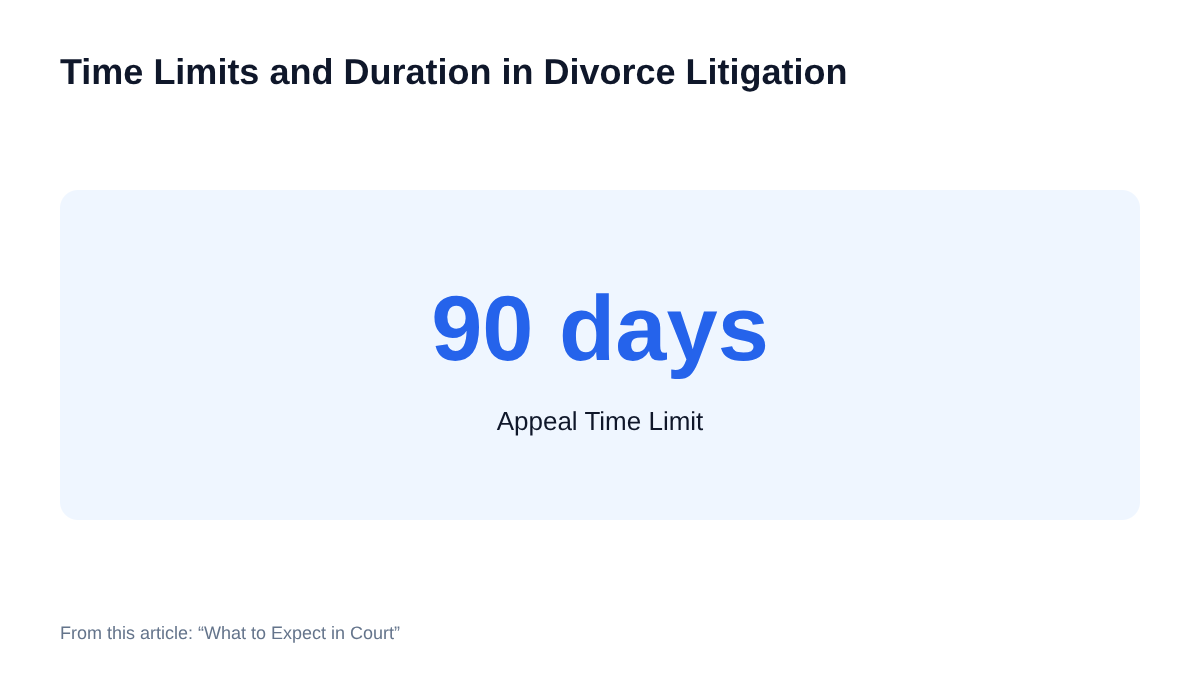
If you believe the original decree was wrong due to legal error, bias, or missing evidence, you can file an appeal. But this must be done within a strict timeframe (usually 90 days in India).
Grounds for Appeal
- Legal error by the judge
- Ignoring key evidence
- Bias or misconduct
- Fraud or misrepresentation
Steps in the Appeal Process
- File a notice of appeal in the higher court.
- Submit all relevant documents and transcripts.
- Attend fresh hearings – sometimes the case is heard from scratch.
- Wait for the appellate court’s decision.
Appeals take time – often a year or more. They’re best for serious errors, not small disagreements.
Fresh Litigation: Starting a New Case
If the decree can’t be changed or appealed, or if a new issue arises (like hidden assets), you may need to file a new case.
- Suits for property division if new assets are found
- Contempt petitions for non-compliance
- Injunctions to stop someone from selling or transferring assets
This is usually the slowest and most expensive route. But sometimes, it’s the only way to protect your rights.
Enforcement: Making the Decree Stick
If your ex simply ignores the order, you can ask the court to enforce it.
- Execution petitions for property or money
- Police help for child custody handovers
- Salary attachment for unpaid alimony
Enforcement can be slow, but the law is on your side. Patience and good paperwork matter more than anger.
Alimony Disputes After Divorce: What to Watch For
Alimony is one of the most common sources of post-divorce headaches in India. Disputes can drag on for years, especially if either side’s financial situation changes or if payments are missed.
Direct answer: Alimony disputes after a divorce decree often arise due to missed payments, hidden income, or changes in financial circumstances, leading to modification requests or contempt actions.
Types of Alimony in Indian Law
- Permanent alimony: A lump sum or regular payments, decided at the time of divorce.
- Interim maintenance: Temporary support during the case, sometimes continuing after.
- Child support: Separate from spousal alimony, for the child’s expenses.
Common Post-Decree Alimony Issues
- Non-payment: The most frequent problem. Courts can attach salary or property.
- Change in ability to pay: Job loss, retirement, or disability may justify modification.
- Remarriage: Usually ends alimony, but not always.
- Hidden income: If discovered, the court can order a reassessment.
Practical Solutions
- Always keep payment records – bank transfers are better than cash.
- If you can’t pay, file for modification before you fall behind.
- If your ex doesn’t pay, file a contempt petition quickly.

A Kolkata case saw a husband jailed for three days for ignoring alimony orders. Not common, but possible. Most disputes settle before reaching this stage.
Child Custody Changes and Disputes Post-Decree
Children’s needs don’t freeze after a divorce. School, health, friendships, and even the child’s own wishes may change, leading to fresh disputes.
Direct answer: Child custody complications after divorce usually involve relocation, changes in the child’s preferences, or disagreements over schooling and healthcare, requiring court review and sometimes modification.
Typical Reasons for Post-Decree Custody Disputes
- Parent wants to move to another city or country
- Child asks to live with the other parent
- Disagreements about education, religion, or medical treatment
- Safety concerns (abuse, neglect, substance abuse)
How Courts Decide
Indian family courts focus on the best interests of the child. They may:
- Interview the child (if old enough)
- Appoint psychologists or guardians
- Order joint or split custody
Steps to Change Custody Orders
- File a modification petition in family court.
- Show evidence of the change – new job, school, or child’s wishes.
- Attend hearings and answer questions.
- Wait for a new order.
If one parent takes the child without permission, the other can file for immediate restoration.
Property Settlement Issues After Divorce
Dividing assets is rarely simple. Even after the decree, property disputes can pop up, especially if something was missed or if the paperwork wasn’t completed.
Direct answer: Property settlement issues after divorce often involve unclear ownership, missing documentation, or unregistered transfers, requiring fresh petitions or execution proceedings to resolve.
Common Post-Decree Property Problems
- Unregistered transfers: If the property wasn’t legally transferred, title remains with the old owner.
- Disputed valuations: If the value was miscalculated, one side may feel cheated.
- Hidden assets: New properties or bank accounts discovered after the decree.
- Loan complications: Banks may refuse to release a property unless the loan is cleared.
How to Fix Property Issues
- File an execution petition to enforce the original order.
- Apply for decree modification if new assets come to light.
- Register property transfers as soon as possible.
- Use court-appointed valuers for fair pricing.
A Hyderabad case dragged for years because the couple couldn’t agree on the value of their ancestral home. The court eventually ordered an auction, splitting the proceeds.
Table: Common Property Settlement Pitfalls
| Issue | Cause | Solution |
|---|---|---|
| Unregistered transfer | Missed paperwork | File for execution |
| Disputed valuation | No professional appraisal | Appoint court valuer |
| Hidden asset | Incomplete disclosure | Seek decree modification |
| Loan complications | Bank refusal | Negotiate or clear dues |
Decree Modification and Appeal Process Explained
Not every problem needs a full-blown lawsuit. Indian law allows for decree modification and appeals, but the process is strict and time-bound.
Direct answer: Decree modification lets courts adjust orders for alimony, custody, or property if circumstances change, while the appeal process allows parties to challenge the original decree in a higher court within a set deadline.
When Can You Modify a Decree?
- Significant change in income, job, or family situation
- Discovery of fraud or hidden assets
- Child’s needs or wishes change
Modification is usually quicker than an appeal. Courts prefer this route for practical changes.
How Appeals Work
- Must be filed within 90 days of the decree
- Only for errors of law, bias, or major omissions
- Heard in the High Court or district court, depending on the case
Appeals are not for minor disagreements. They’re for fixing serious mistakes in the original order.
Practical Tips
- Act fast – delays can make your case harder.
- Gather all documents before filing.
- If in doubt, start with modification; appeal only if the problem is legal, not factual.
For a step-by-step on second motion and decree pitfalls, see Second Motion Filing and Divorce Decree in India: Legal Roadmap and Pitfalls.
Post-Divorce Litigation: How to Prepare and What to Expect
Nobody wants to return to court after a divorce, but sometimes it’s the only way. Post-divorce litigation can be stressful, costly, and slow, but being prepared can make a big difference.
Direct answer: Post-divorce litigation involves new or renewed court cases about alimony, custody, or property after a decree, usually triggered by non-compliance, hidden facts, or major life changes.
Common Scenarios for Post-Divorce Litigation
- Ex refuses to pay alimony or child support
- New assets discovered
- Custody battles after a parent’s relocation
- Enforcement of property transfer
How to Prepare
- Collect all relevant documents: decree, payment records, property papers
- Note down all communications with your ex
- Get professional legal advice – don’t rely on hearsay
- Set realistic expectations – court cases take time
What to Expect in Court
- Multiple hearings, often months apart
- Requests for evidence and witnesses
- Possible mediation before a judge decides
- Orders for costs or penalties if one side is found at fault
If you’re facing delays, check out Why Second Motion Delays Derail Divorce Timelines in Indian Courts.
Frequently Asked Questions
What are the most common divorce decree complications in India?
The most common complications include unpaid alimony, disputes over child custody, property settlement issues, and non-compliance with court orders. Hidden assets and unclear decree language also cause frequent problems.
How can I change the terms of my divorce decree?
You can file a petition for decree modification in the same family court that issued the original order. You’ll need to show a significant change in circumstances or new evidence that justifies altering the decree.
What is the process for appealing a divorce decree in India?
To appeal a divorce decree, file a notice of appeal with the higher court within 90 days of the original order. Submit all relevant documents, attend hearings, and wait for the appellate court’s decision.
Can alimony be changed after the divorce is final?
Yes, alimony can be increased, decreased, or terminated if there’s a major change in either party’s financial situation or if the recipient remarries. File a modification petition with evidence.
What happens if my ex does not follow the divorce decree?
You can file a contempt petition in family court. The court may order salary attachment, property seizure, or, in rare cases, jail time for persistent non-compliance.
How do courts decide child custody changes after divorce?
Courts consider the child’s best interests, including their wishes, parents’ circumstances, and any changes in living situation. Both parties may present evidence, and the court may consult psychologists or guardians.
What if I discover hidden assets after the decree?
File a fresh petition or seek modification, presenting evidence of the hidden assets. The court can revise the property or alimony order if fraud is proven.
How long does it take to resolve post-divorce litigation?
Post-divorce litigation can take several months to years, depending on complexity and court backlog. Contempt and enforcement matters are usually faster than fresh property or custody disputes.
Can I enforce a property settlement if my ex refuses to sign?
Yes, file an execution petition in the family court. The court can order the transfer or even appoint an officer to sign on behalf of your ex if they refuse.
What documents do I need for decree modification?
Collect the original decree, evidence of changes (income slips, new marriage certificate, child’s school records), and any communications with your ex. These support your case for modification.
Is mediation available for post-divorce disputes?
Yes, courts often refer parties to mediation before hearing post-divorce disputes. Mediation can help resolve issues faster and with less cost than litigation.
How are international custody disputes handled?
If one parent wants to move abroad, the court examines the child’s best interest, possible visitation, and may consult international treaties. Orders may include detailed travel and access provisions.
What is the time limit for appealing a divorce decree?
The time limit for most appeals in India is 90 days from the date of the decree. Delays require special permission and are rarely granted without a strong reason.
Can I get maintenance if I remarried after divorce?
In most cases, remarriage ends the right to maintenance, but exceptions exist. If the new marriage is annulled or ends quickly, courts may consider fresh petitions.
What are execution proceedings in divorce cases?
Execution proceedings are court processes to enforce a decree, such as transferring property or collecting unpaid alimony. The court may attach assets, garnish wages, or appoint officers to complete transactions.
Key Takeaways
- Divorce decree complications are common and can drag both parties back to court.
- Alimony disputes, child custody changes, and property settlement issues top the list.
- Unclear decree language and incomplete disclosures often trigger fresh problems.
- Decree modification is possible for major life changes or new evidence.
- Appeals must be filed within 90 days and focus on legal errors.
- Enforcement options include contempt petitions, salary attachment, and execution proceedings.
- Post-divorce litigation can be slow – document everything and set realistic expectations.
- Mediation is available and often faster than court battles.
- Always register property transfers and keep payment records.
- Professional legal advice is better than relying on hearsay or friends.
Sometimes a divorce decree is just the start of a longer legal journey. Even after the judge signs off, real life can throw up new challenges – missed payments, surprise moves, or property fights you never saw coming. If you find yourself dragged back to court, try not to panic. Most people face at least one post-divorce complication, and the law does offer ways to fix mistakes or handle new problems.
The best way to protect yourself is to stay proactive: keep records, act quickly if something goes wrong, and always get clear legal advice before making big decisions. Closure takes more than a signature – it takes patience, clarity, and sometimes a little extra help from the system.
