
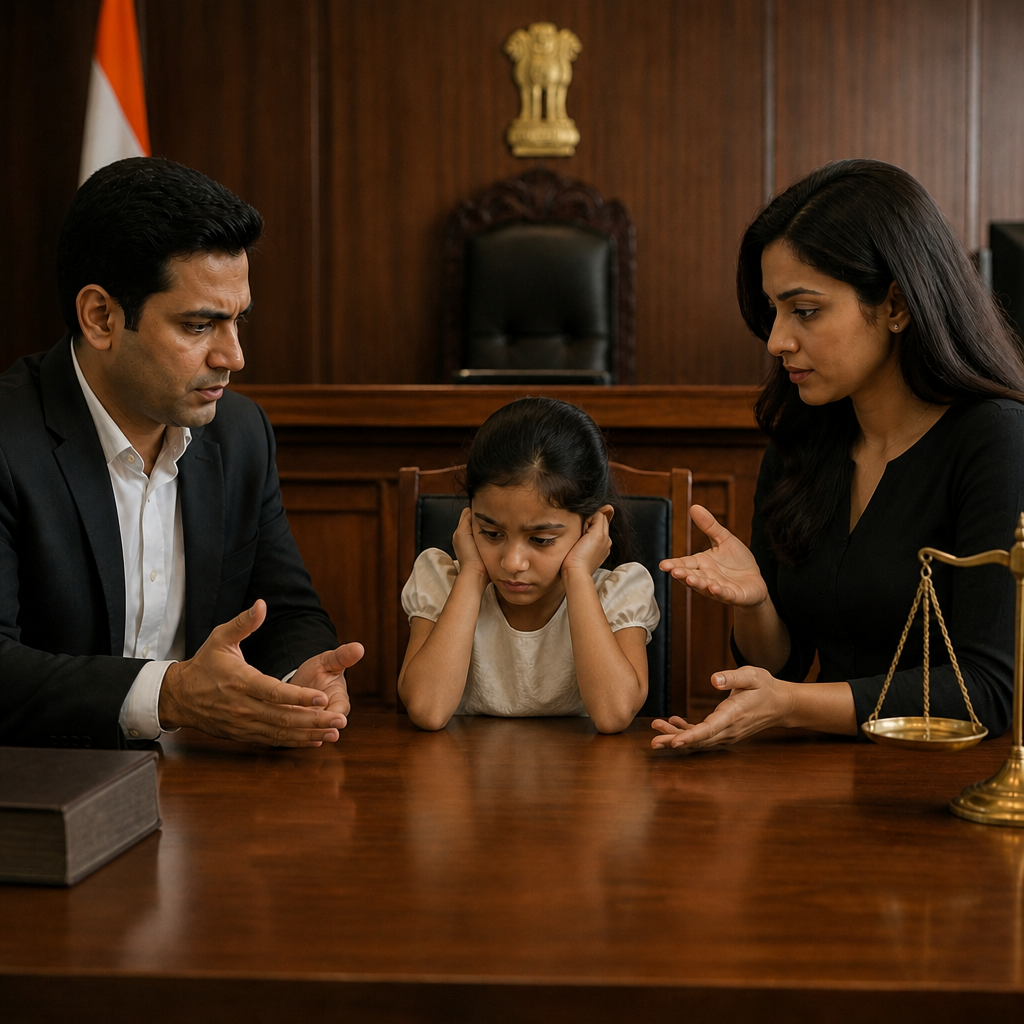
When Joint Custody Backfires: Hard Lessons from Real Indian Families
Asha still remembers the first night her son refused to go to his father’s house. She’d agreed to joint custody, thinking it was best for everyone. But by the third week, her eight-year-old was acting out at school, refusing to eat, and waking up crying for her. The court order looked balanced on paper. Real life, though, was another story. For many Indian families, joint custody starts with hope and ends in heartbreak. The idea sounds fair, but the practical problems are much harder than anyone expects.
Joint custody pitfalls aren’t just legal headaches – they hit at the heart of family life, affecting children’s stability, parents’ peace of mind, and even relationships with extended family. If you’re weighing shared parenting or stuck in a custody dispute, understanding these risks is not just smart, it’s essential. The stories, research, and lessons from Indian families show that what’s written in a court order can sometimes backfire in real life.
Joint custody in India often leads to unexpected problems – children struggle to adjust, parents clash over routines, and family ties can suffer. Understanding these pitfalls helps families make choices that protect their kids’ well-being.
When Joint Custody Fails: Real Risks for Indian Families
What Joint Custody Really Means in India
Many people think joint custody is just about splitting time between parents. In India, though, the courts don’t always use the same words as in the West, and the reality on the ground is shaped by tradition, logistics, and law. Joint custody here usually means both parents share legal authority, but not always physical custody. Sometimes, it’s a blend – children live mainly with one parent but visit the other regularly.

The law in India gives courts wide powers to set custody terms based on the child’s best interests, as per the Guardian and Wards Act, 1890. But what’s “best” can be hard to decide. Judges consider age, schooling, family support, and sometimes even the child’s wishes. In mutual divorce cases, parents often agree on a plan, but these agreements can fall apart quickly when practical problems crop up. For a deeper look at custody choices in mutual divorce, see Child Custody Agreements in Mutual Divorce: Strategic Choices for Parents in India.
Joint vs. Sole Custody: The Indian Context
Joint custody sounds fair, but it often clashes with Indian realities – joint families, school schedules, and long commutes. Sole custody, where one parent has full physical and legal authority, is still more common here because it avoids these messes. Joint custody requires cooperation, flexibility, and a level of trust that many ex-couples just don’t have after a bitter breakup.
Legal Rights and Ground Realities
On paper, both parents might have decision-making authority. though, the parent with physical custody often calls the shots, especially for day-to-day matters. The other parent may struggle to have a real say. This gap between legal theory and actual life is one reason so many joint custody arrangements turn sour.
Joint Custody Pitfalls: Where Good Intentions Go Wrong
Shared parenting after divorce promises stability for children, but it often creates new problems. The biggest joint custody pitfalls in India come from clashing routines, poor communication, and the child’s struggle to adjust. Many families underestimate how hard it is to make two homes feel like one.
The Most Common Pitfalls in Shared Parenting
Even when both parents mean well, joint custody can create chaos in a child’s life. Here are some of the most frequent problems Indian families report:
- Confusing routines: School timings, meal habits, and even homework schedules can clash between two homes. Kids end up stressed, and parents start blaming each other.
- Parental conflict: Disagreements about discipline, screen time, or even religious festivals can turn into ugly fights. The child often feels caught in the middle.
- Adjustment problems: Moving back and forth leaves many children feeling rootless. Some act out, while others withdraw or develop anxiety.
- Logistical nightmares: Long distances, traffic, and different cities make regular transitions exhausting. If parents live far apart, visits become rare or rushed.
- Grandparent involvement: In joint families, grandparents may have strong opinions about where the child should live. This can fuel family disputes and make transitions harder.
- Legal confusion: Parents sometimes interpret court orders differently, leading to fresh disputes or even police complaints.
Families often overestimate how smoothly shared parenting will run. Most problems start small but snowball over time, especially when there’s no clear communication or flexibility.
Case Studies: When Joint Custody Backfires
Let’s look at two real Indian families (names changed for privacy) who struggled with joint custody pitfalls:
Case 1: The Pune Shuffle
Rohit and Sneha agreed to alternate weeks with their six-year-old daughter, Aanya. The first month went fine. By the third, Aanya started refusing the handover, saying she missed her toys and friends at her mother’s house. School performance dipped. Both parents accused each other of spoiling her. Finally, the court had to step in and assign primary custody to Sneha, with Rohit getting longer holiday time.
Case 2: The Delhi Divide
In another family, Suresh and Neetu lived on opposite ends of Delhi. They tried a joint custody plan with weekend visits. But the two-hour drive each way left their son, Arnav, exhausted. After six months, Arnav’s health suffered, and he begged to stay in one home. The parents switched to a sole custody arrangement with structured visits.
These stories aren’t rare. Many Indian parents underestimate the practical toll of moving children between homes, especially in busy cities or joint family setups.
The Impact on Children: Adjustment Problems and Emotional Risks
Children are often at the centre of custody disputes, but their voices can get lost in the noise. Joint custody may look like a fair split, but it comes with real emotional and psychological risks for young kids, especially when parents don’t get along or when routines constantly change.
How Kids Experience Shared Parenting
Children crave stability, especially during a family breakup. Moving between two homes can feel exciting at first, but novelty soon turns into confusion. Some children adapt, but many struggle with:
- Anxiety and insecurity: Not knowing where they’ll wake up next week makes kids feel unsafe.
- Behaviour issues: Acting out at school, fighting with siblings, or becoming clingy are all common.
- Academic drop: Disrupted routines and different study environments can hurt school performance.
- Divided loyalties: Kids may feel guilty for enjoying time with one parent, or worry about hurting the other’s feelings.
Indian culture adds another layer – extended family expectations, religious practices, and even food habits can change from one home to another. This can make adjustment even harder.
Signs of Trouble: What Parents Often Miss
It’s easy to miss the warning signs until things get serious. Here are some red flags that a joint custody plan isn’t working:
- Sudden mood swings or tearfulness
- Refusal to visit one parent
- Physical complaints (headaches, stomach aches) with no medical cause
- Drop in grades or school attendance
- Regression (bedwetting, baby talk)
If you notice these, it’s worth rethinking the arrangement. Ignoring them can lead to long-term emotional scars.
What the Research Says
Indian research on custody is still emerging, but international studies show that joint custody only works when parents communicate well and the child’s routine is stable (see the American Psychological Association’s summary). In high-conflict situations, shared parenting can actually hurt the child more than sole custody.
Family Dynamics and Cultural Factors: Why Joint Custody Is Extra Hard in India
Joint custody isn’t just a legal problem – it’s a cultural one too. Most Indian families are still deeply connected to their extended families, and decisions about children are rarely left to parents alone. This adds layers of complexity that Western custody models often miss.
Joint Families, Grandparents, and Traditions
In many Indian homes, grandparents play a huge role in raising children. When custody is split, grandparents may feel sidelined or try to influence the arrangement. Disputes about festivals, schooling, even food preferences can turn into big fights. Sometimes, the child is pressured to choose sides – something that’s emotionally exhausting for everyone involved.
Gender Roles and Societal Expectations
Indian society often expects mothers to be the primary caregivers. Fathers seeking joint custody may face skepticism from both families and the courts. Even when a father wins joint custody, practical support (like help with homework or meals) may be lacking, making the arrangement harder for the child.
Schooling, Religion, and Language
Differences in schooling approach, religious practice, or even the language spoken at home can make transitions tough. For example, a child who speaks Hindi at one home and Tamil at the other may feel out of place in both. Schools sometimes get dragged into disputes too, especially when parents fight over which school is best or who attends parent-teacher meetings.
Shared Parenting Risks: What the Court Can’t Fix
Even the best court order can’t force parents to cooperate or guarantee a child’s happiness. Shared parenting risks go beyond legal paperwork – they include emotional, practical, and even safety issues that courts struggle to control.

The Limits of Legal Orders
Indian courts try to act in the child’s best interest, but judges can’t foresee every problem. Court-ordered schedules may not fit with work shifts, school exams, or family emergencies. Enforcement is another problem – if one parent refuses to hand over the child or blocks visits, the other must return to court, which is stressful and slow.
Parental Alienation and Manipulation
Sometimes, a parent uses joint custody to control or punish the other. This can include badmouthing the other parent, blocking calls, or manipulating the child’s feelings. In extreme cases, children are coached to reject one parent entirely. Indian courts are starting to recognise this problem, but solutions are still patchy.
Safety and Well-being Concerns
If there’s a history of domestic violence, substance abuse, or neglect, joint custody can put the child at risk. Courts may order supervised visits, but these are hard to monitor in practice. Neighbours and relatives may turn a blind eye, leaving the vulnerable child with little protection.
Why Parenting Plans Fail in Indian Joint Custody Cases
Most joint custody arrangements begin with a formal parenting plan – a schedule for visits, holidays, and decision-making. But even the best-laid plans often unravel. Why?
Clear communication, flexibility, and trust are essential for parenting plans to work. Without these, even detailed schedules lead to confusion or conflict. For a closer look at why these plans fail, see Why Parenting Plans Fail in Mutual Divorce Cases (And What Actually Works).
Common Reasons Parenting Plans Break Down
- Rigid schedules: Life is unpredictable – illness, school events, or family functions can disrupt even the most detailed plan.
- Poor communication: Parents who barely speak can’t coordinate schoolwork, medical care, or holidays.
- Hidden agendas: Sometimes, one parent uses the plan to punish the other, rather than focusing on the child’s needs.
- Lack of support: Extended family may not respect the plan, especially if they disagree with the custody arrangement.
- Child’s resistance: As children grow, their needs and preferences change, making old plans unworkable.
The biggest mistake is treating the parenting plan like a contract instead of a living arrangement that needs regular updating.
How to Spot Trouble Early and What to Do
Watch for escalating arguments, missed handovers, or sudden changes in the child’s mood. If these show up, talk to a counselor or mediator before things get worse. Parents who adapt their plans as life changes usually have better outcomes than those who stick rigidly to the original schedule.
Case Studies: Hard Lessons from Indian Families
Learning from others’ mistakes can save a lot of pain. Here are three more case studies that highlight different joint custody pitfalls:
Case 3: The Bangalore Balancing Act
Priya and Ramesh shared custody of their twins, swapping homes every weekend. The children seemed fine at first but became withdrawn and started lying about schoolwork. Teachers noticed they never finished homework and always looked tired on Mondays. After a year, both parents agreed the routine was too exhausting. They switched to a fortnightly plan with one home as the base, and the kids’ behaviour improved.
Case 4: The Kolkata Hostel Dilemma
After a messy divorce, both parents wanted joint custody but lived in different cities. They put their son in a boarding school to ‘solve’ the problem. The boy soon felt abandoned and developed depression. The arrangement lasted only one term before the grandparents stepped in and took over care.
Case 5: The Jaipur Festival Fight
In a joint family, the child was passed between two homes for every major festival. Disputes over religious customs turned into public arguments, and the child started refusing to celebrate festivals altogether. The court eventually ordered all major holidays with the mother, but family ties were already damaged.
These stories show that even with good intentions, joint custody can create more harm than good if not handled carefully.
Best Practices: Making Joint Custody Work in India
Joint custody isn’t always doomed, but it needs careful planning, honest communication, and regular review. The best outcomes happen when parents put their child’s needs above their own egos or grievances.
Steps to Reduce Joint Custody Pitfalls
If you’re considering joint custody, these steps can help avoid the worst problems:
- Prioritise the child’s routine: Keep school, tuition, and extracurriculars consistent across both homes.
- Communicate clearly: Use a shared calendar or WhatsApp group to coordinate homework, doctor visits, and holidays.
- Stay flexible: Be ready to adjust plans for illness, exams, or family events.
- Respect each other’s role: Avoid badmouthing or undermining the other parent in front of the child.
- Get professional help: Involve a counselor or mediator if conflicts keep cropping up.
- Review the plan regularly: Update the arrangement as your child grows or family circumstances change.
Trying to force a rigid plan rarely works. Listening to your child and adapting as needed makes all the difference.
When to Avoid Joint Custody Altogether
Joint custody isn’t right for every family. You should think twice if:
- There’s a history of violence, addiction, or severe conflict.
- The child is very young or has special needs that require stability.
- Parents live in different cities or have demanding work schedules.
- Extended family members are openly hostile to the arrangement.
In these cases, sole custody with structured visitation may be safer and less stressful for everyone.
Frequently Asked Questions
What are the biggest joint custody pitfalls in India?
The most common joint custody pitfalls in India include clashing routines, poor communication between parents, children struggling to adjust to two homes, interference from extended family, and logistical challenges like long travel distances. These issues often lead to stress, conflict, and emotional problems for the child.
How does joint custody work in India?
Joint custody in India usually means both parents share legal decision-making authority, but physical custody may still be with one parent. Courts base arrangements on the child’s best interests, considering factors like age, schooling, and family support. Practical implementation often depends on the parents’ ability to cooperate.
What is the difference between joint custody and sole custody?
Joint custody involves shared legal or physical responsibility for the child, with both parents having a say in major decisions. Sole custody gives one parent full authority, and the other may have visitation rights. In India, sole custody is still more common due to practical and cultural challenges.
Why do parenting plans fail in joint custody situations?
Parenting plans often fail due to rigid schedules, poor communication, changing needs of the child, lack of extended family support, and hidden conflicts between parents. Regular review and flexibility are needed for a plan to work long-term.
How does joint custody affect children emotionally?
Joint custody can cause emotional stress, anxiety, and adjustment problems in children, especially if parents argue or routines change frequently. Some children adapt well, but others may develop behavioural or academic issues if the arrangement is unstable.
What should parents do if their child resists joint custody handovers?
If a child refuses handovers, parents should talk to a counselor or mediator to understand the underlying issues. Forcing transitions without addressing the child’s concerns can worsen emotional problems. Adjusting the schedule or arrangement may be necessary.
Can grandparents influence joint custody arrangements in India?
Yes, grandparents and extended family often play a strong role in Indian custody cases. Their involvement can support or complicate joint custody, depending on family dynamics and cultural expectations.
Is joint custody suitable for infants or toddlers in India?
Joint custody is usually not recommended for very young children, as they need a stable routine and primary attachment figure. Courts often prefer sole custody for infants, with regular visits by the other parent.
What legal steps are involved in setting up joint custody in India?
Parents can propose a joint custody arrangement during divorce proceedings. The court reviews the plan, considers the child’s best interests, and issues an order. Legal help from a family lawyer is recommended for drafting and negotiating terms.
How can parents make joint custody work better?
Parents can improve joint custody by keeping routines consistent, communicating regularly, staying flexible, involving professionals when needed, and reviewing the plan as their child’s needs change. Putting the child’s well-being first is key.
What are the signs that joint custody isn’t working for a child?
Signs include mood swings, refusal to visit one parent, regression (bedwetting, baby talk), school problems, and physical complaints without medical cause. These may indicate the arrangement is causing emotional harm.
Can custody orders be changed if joint custody fails?
Yes, parents can apply to the court to modify custody orders if the current arrangement is not working. The court will consider new evidence and the child’s welfare before making changes.
How do Indian courts decide who gets custody?
Courts look at the child’s best interests, considering age, health, educational needs, parental ability, and sometimes the child’s wishes. There is no fixed formula, and each case is decided individually.
Do children have a say in custody decisions in India?
Older children may be asked for their preference, but the final decision rests with the court. The child’s welfare is the primary concern, not just their stated wishes.
What are practical tips for handling joint custody transitions?
Some tips include preparing the child in advance, keeping a consistent routine, using a shared calendar, packing comfort items, and maintaining positive communication between parents. Flexibility and empathy go a long way.
Key Takeaways
- Joint custody pitfalls in India often include clashing routines, poor communication, and child adjustment problems.
- Indian family dynamics, including grandparent involvement, make joint custody especially complex.
- Parenting plans frequently fail without flexibility, clear communication, and regular review.
- Children can suffer anxiety, behavioural issues, and academic problems if joint custody is not handled well.
- Sole custody may be safer in cases of violence, addiction, or extreme conflict.
- Legal orders can’t solve emotional or practical problems – parents must cooperate for joint custody to work.
- Warning signs like mood swings or refusal to visit a parent should be taken seriously.
- Professional help from counselors or mediators can prevent long-term harm.
- Indian courts decide custody based on the child’s best interests, not fixed rules.
- Reviewing and updating custody arrangements as children grow is crucial for their well-being.
When joint custody works, it’s because parents communicate well, adapt to life’s changes, and keep their child’s needs at the centre. But honestly, most Indian families find the reality much harder than expected. It’s better to start with a flexible mindset and a focus on stability, rather than sticking stubbornly to a legal script.
If you’re facing a custody dispute, remember that what looks fair on paper may not feel fair or safe in daily life. Listen to your child, watch for warning signs, and don’t hesitate to seek help if things go off track. The goal isn’t perfect balance – it’s your child’s peace of mind.
