
Rethinking Domestic Violence Protections for Modern India
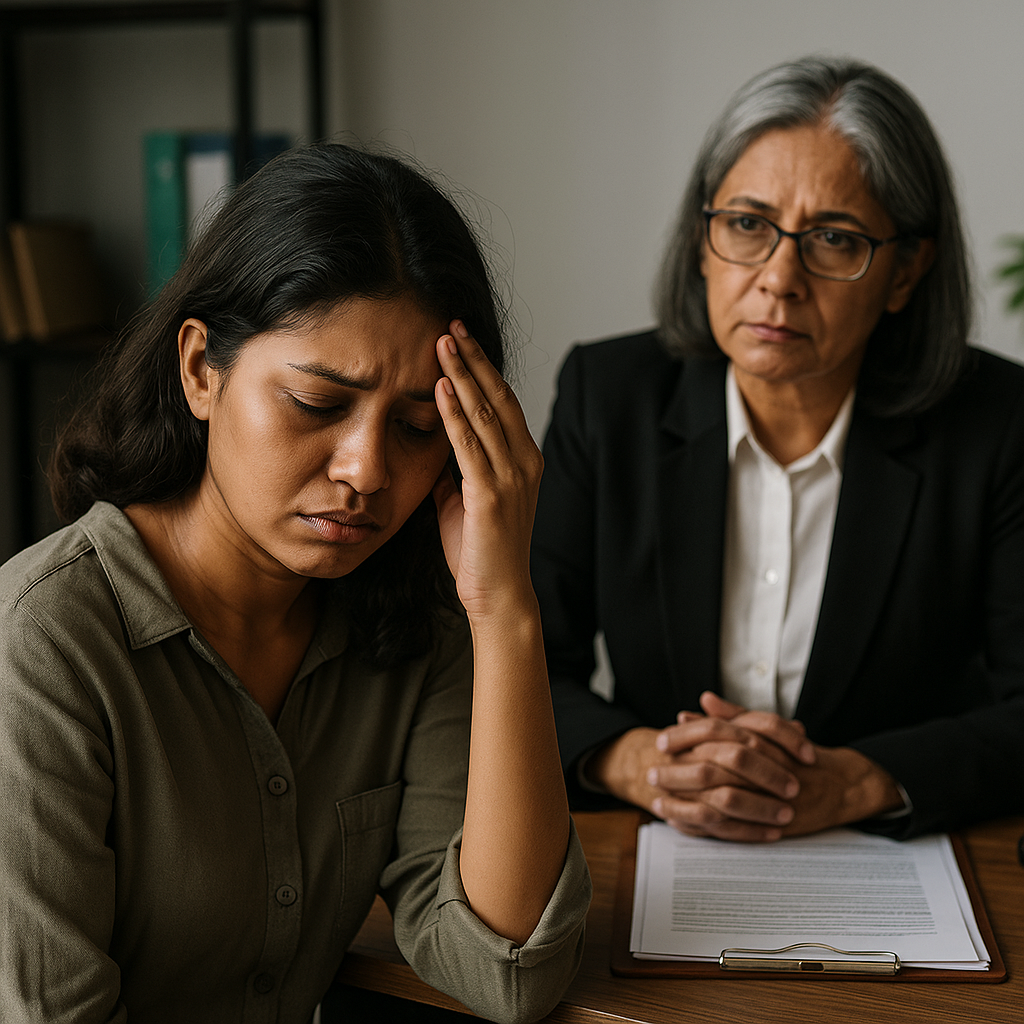
In a cramped Delhi apartment, a young woman checks her phone for the tenth time, fingers hovering near the helpline number she saved weeks ago. Her husband’s temper has grown unpredictable. The neighbours hear muffled arguments, but nobody intervenes. For countless Indians, this is not just a news headline – it’s daily life. Domestic violence laws in India promise protection, but many survivors find the system confusing, slow, or even intimidating.
Why does this topic matter so much now? Urbanisation, changing family structures, and economic stress have shifted the way abuse shows up – and how it hides. The law is evolving, but so are the tactics of abusers. Many people, even those with decent legal literacy, feel lost when it comes to support services, protection orders, or real remedies. If you or someone you know is at risk, knowing the ground realities of domestic violence laws India offers can be life-changing.
This article takes a hard look at where the law stands, what actually works, and where gaps remain. We’ll move past the textbook answers and get into real-world problems, from family court delays to the practical struggle of finding a safe shelter at midnight. If you want clear, specific information – not just legal jargon – read on.
Domestic violence laws in India, mainly under the Protection of Women from Domestic Violence Act, 2005 (PWDVA), offer civil and criminal remedies like protection orders, residence rights, and access to support services. While these laws aim to protect women from abuse, practical challenges – like slow court processes, stigma, and limited shelters – often limit their real-world impact. Accessing help involves going to the family court, contacting helplines, and seeking legal aid, but the process can be daunting without clear guidance or support.
Understanding Domestic Violence Laws in India
The core of India’s domestic violence protection is the Protection of Women from Domestic Violence Act, 2005 (PWDVA). This law defines domestic violence broadly, covering not just physical harm but also emotional, sexual, and economic abuse. Unlike older laws, it recognises abuse by any male family member, not just husbands.
Key Legal Provisions
-
Protection Orders: Courts can issue orders to stop the abuser from contacting or approaching the survivor.
-
Residence Orders: Women get the right to stay in the shared household, regardless of ownership.
-
Monetary Relief: Courts can order the abuser to pay for medical costs, loss of earnings, or maintenance.
-
Custody Orders: Temporary custody of children can be granted to the survivor.
The PWDVA is civil, not criminal, but violating its orders can lead to criminal charges under Section 498A of the Indian Penal Code (IPC). There’s also the Dowry Prohibition Act and several relevant IPC sections, but PWDVA is the main tool for immediate relief.
Who Can File and Against Whom?
-
Any woman facing abuse from a husband, partner, or male relative in a domestic relationship.
-
The law includes mothers, sisters, and daughters – not just wives.
-
Complaints can be filed by the survivor, a friend, or even a neighbour.
Limitations and Criticisms
PWDVA is progressive on paper, but it’s not perfect. Many women find that:
-
Police are reluctant to file reports or act quickly.
-
Family courts are overloaded, making urgent cases drag for months.
-
Men sometimes misuse counter-allegations, confusing the process.
Honestly, navigating the law without legal aid is tough. The paperwork alone can overwhelm anyone, especially when emotions are raw.
The Practical Process: How to Seek Protection and Remedies
Getting help under domestic violence laws India offers isn’t just about knowing your rights. It’s about understanding the steps, the paperwork, and the realities of police and court responses.
Step-by-Step: Seeking Protection
- Contact a Protection Officer or Helpline
-
Every district is supposed to have a Protection Officer.
-
National helplines like 181 or 1091 can guide you to the nearest officer or shelter.
- File a Complaint
-
Write an application with details of abuse, preferably with dates and examples.
-
Submit it to the Protection Officer, police, or directly at the family court.
- Interim Protection Orders
-
Courts can issue urgent orders within days, sometimes even the same day if the risk is high.
-
Orders may include restraining the abuser, granting residence rights, or child custody.
- Follow-Up and Enforcement
- If the abuser violates a court order, police can arrest them under the IPC.
What Documents Help?
-
Medical reports or photos of injuries
-
Messages, call records, or emails showing threats
-
Witness statements (neighbours, family, friends)
-
Marriage certificate or proof of relationship
Legal Aid and Support Services
Most survivors need a lawyer, but not everyone can afford one. Here’s where legal aid comes in:
-
District Legal Services Authorities (DLSA): Offers free legal aid for women, children, and other vulnerable groups.
-
NGOs like Lawyers Collective, Majlis, and Breakthrough: Can provide legal and emotional support.
Getting a good lawyer matters, but so does emotional support. The process is draining, and many women feel isolated. Some NGOs even offer counselling and help with job placement.
Protection Orders: What They Cover and Their Real-World Impact
A protection order is a piece of paper, but for many, it’s a lifeline. Courts can grant them quickly, but enforcement is another story.
Types of Protection Orders
-
Restraint Orders: Abuser must stay away from the survivor’s home, workplace, or children’s school.
-
No-Contact Orders: No calls, messages, or third-party communication.
-
Residence Orders: Survivor can’t be evicted from the shared home.
How Effective Are They?
On paper, these orders are strong. But in reality:
-
Police may delay action, especially in small towns.
-
Survivors sometimes face pressure from family to withdraw complaints.
-
Abusers often ignore orders, banking on slow enforcement.
Enforcement Challenges
-
Lack of police training means some officers treat these as “family matters.”
-
Survivors must sometimes return to court repeatedly to report violations.
-
In rural areas, local panchayats often discourage legal action.
What Actually Helps?
-
Persistent follow-up with police and Protection Officer.
-
Support from an NGO or advocate who knows the local system.
-
Keeping a record of every violation – dates, times, and witnesses.
Support Services: Shelters, Helplines, and Counselling
Legal remedies are only part of the puzzle. Survivors need safe housing, mental health support, and sometimes just someone to talk to without judgment.
Shelters and Short-Stay Homes
-
Government-Run Shelters: Every district should have at least one shelter for women in crisis. Reality is patchy – some are overcrowded or lack privacy, but they can offer a roof and basic safety.
-
NGO Shelters: Often safer and better managed, but sometimes have waiting lists or limited space.
-
Short-Stay Homes: For women who need a few weeks to plan next steps, not permanent housing.
Helplines and Counselling
-
National Helpline 181: Operates in most states, connects callers to legal aid, police, and shelters.
-
Police Helpline 1091: Direct line to women’s police desks.
-
NGO Helplines: Each city has its own list, like Snehi (Delhi), SNEHA (Mumbai), or Shakti Shalini.
What Support Services Actually Offer
-
Legal guidance – what paperwork is needed, where to file
-
Emotional counselling – sometimes in local languages
-
Help with job placement or vocational training
-
Childcare support in some shelters
Gaps and Realities
-
Many survivors don’t know these services exist.
-
Some shelters are full or refuse entry without a police referral.
-
Quality varies – some places are little more than a dormitory with basic meals.
If you’re in a small town, finding a safe shelter quickly can feel impossible. In bigger cities, the issue is often overcrowding or lack of privacy. It’s not perfect, but it’s better than nothing.
Family Courts and the Legal Process: Speed Bumps and Solutions
Family courts are supposed to offer fast, sensitive justice in domestic violence cases. In reality, the process can be slow and emotionally exhausting.
How Family Courts Work
-
Specialisation: Family courts handle domestic violence, divorce, custody, and maintenance cases.
-
Process: After filing, there’s usually a counseling session, then hearings for interim orders. Final orders can take months or years.
-
Role of Protection Officers: They help survivors file paperwork and coordinate with police, but are often overworked.
Common Delays
-
Courts are overwhelmed. One Mumbai family court judge may have 60 – 100 cases daily.
-
Adjournments are frequent, sometimes for trivial reasons.
-
Lack of digital records means files get misplaced.
Solutions and Best Practices
-
Follow up regularly: Push your lawyer for updates; don’t assume things are moving.
-
Keep copies: Never give away your only copy of any document.
-
Ask for interim relief: Courts can grant protection or maintenance quickly, but only if you request it clearly.
Legal Aid and Representation
-
District Legal Services Authorities: Free legal help for those who qualify.
-
Panel Lawyers: Often less experienced, but better than facing court alone.
-
Private Lawyers: More costly but sometimes more efficient. Fees range from ₹5,000 to ₹50,000 per case, depending on city and complexity.
Practical Problems
-
Survivors may face cross-examination by their abuser’s lawyer, which can be traumatic.
-
Remote areas may have only one family court for several districts.
-
Language barriers: Court paperwork is often in English, but hearings may be in Hindi or local languages. This can confuse people.
Common Mistakes and Misconceptions
Many people misunderstand what domestic violence laws India actually cover, leading to mistakes that slow down or ruin their case.
Frequent Errors
-
Assuming only physical abuse counts: Emotional and economic abuse are also recognised.
-
Not collecting evidence: Many survivors forget to document threats, injuries, or financial control.
-
Withdrawing complaints under pressure: Once withdrawn, it’s harder to reopen cases.
-
Believing police must always register an FIR: For PWDVA, courts handle the main remedies; police act only if there is a criminal breach.
False Beliefs
-
“Only wives are protected”: Any woman in a domestic relationship can file, including mothers, sisters, and daughters.
-
“You need a lawyer”: While legal help is useful, Protection Officers and NGOs can help file cases.
-
“Shelters are unsafe”: While some are basic, many are improving, especially in metros.
How to Avoid These Problems
-
Talk to a lawyer or NGO before taking any legal step.
-
Keep all evidence, even if it feels minor.
-
Don’t rush to settle under family pressure if you feel unsafe.
Best Practices: What Actually Works for Survivors
Some strategies make the process smoother and safer. Here are the approaches that help most survivors get better outcomes.
Before Filing a Case
-
Gather evidence: Save messages, take photos, and make a diary of incidents.
-
Identify a safe place: Know the nearest shelter or trusted friend’s home.
-
Inform someone: Tell a friend or family member what’s happening.
While Navigating the System
-
Use support services: Contact helplines for legal and emotional advice.
-
Push for interim orders: Ask the court for urgent relief.
-
Follow up: Regularly check on the status of your complaint.
After Getting Relief
-
Monitor enforcement: Report violations immediately.
-
Seek counselling: Trauma can linger even after leaving an abusive situation.
-
Plan for independence: Look for job training or financial support.
Tips for Family and Friends
-
Listen without judgment.
-
Offer practical help, like childcare or safe transport.
-
Don’t push for compromise if safety is an issue.
Trends and Future Outlook: Where Are Domestic Violence Protections Headed?
India’s approach to domestic violence is changing, but not always as fast as survivors need.
Recent Developments
-
Digital Reporting: Some states now allow online complaint filing, making it easier for urban survivors.
-
Fast-Track Courts: Pilot projects in cities like Bangalore and Mumbai aim to resolve urgent cases in weeks, not months.
-
Expanded Definitions: Courts increasingly recognise marital rape and economic abuse, though the law still falls short here.
Ongoing Challenges
-
Rural areas often lack protection officers and shelters.
-
Social stigma remains high, especially in joint families.
-
Funding for shelters and legal aid is inconsistent.
Promising Experiments
-
Mobile Legal Clinics: Vans visit villages, offering free advice and help with paperwork.
-
Community Watch Groups: Local women’s groups monitor known abusers and support survivors in filing complaints.
-
Awareness Campaigns: TV, radio, and WhatsApp groups spread information on rights and helplines.
What’s Next?
-
Calls for a gender-neutral law are growing, but most experts agree that women remain the primary victims.
-
The Supreme Court has pushed for better training of police and judges, but real change is slow.
-
More survivors are sharing stories online, making it harder for officials to ignore problems.
Frequently Asked Questions
What is the main law for domestic violence in India?
The Protection of Women from Domestic Violence Act, 2005 (PWDVA) is the main law. It covers physical, emotional, sexual, and economic abuse against women in domestic relationships.
How can I get a protection order in India?
File a complaint with a Protection Officer, police station, or family court. The court can issue a protection order quickly if there is immediate risk. You’ll need to describe the abuse and provide any supporting evidence.
Who qualifies for protection under domestic violence laws India?
Any woman in a domestic relationship – including wives, mothers, daughters, sisters, or live-in partners – can seek protection. The law does not cover men as survivors.
What evidence is needed for a domestic violence case?
Useful evidence includes:
-
Medical reports
-
Photos of injuries
-
Threatening messages or call records
-
Witness statements A diary of incidents can also help.
Can men file cases under domestic violence laws India?
Currently, the law only protects women as survivors. Men can seek relief under other sections of the Indian Penal Code, but PWDVA is not gender-neutral.
What support services exist for survivors?
Support services include government and NGO-run shelters, helplines (181, 1091), legal aid, and counselling centers. Quality and availability vary by region.
How long does it take to get a protection order?
Emergency protection orders can be issued within a few days, sometimes even the same day. Final orders may take several weeks or months.
Is legal aid free for all women?
Legal aid is free for women who meet certain criteria – usually based on income. District Legal Services Authorities (DLSA) provide free lawyers and help with paperwork.
What should I do if the abuser violates a protection order?
Report the violation to the police or family court immediately. The abuser can face arrest and criminal charges under the Indian Penal Code.
Are shelters safe and how can I access them?
Shelter safety varies. Many government shelters are basic but provide security. You can contact a helpline, Protection Officer, or local NGO for access.
What is the difference between civil and criminal remedies?
PWDVA provides civil remedies like protection and residence orders. If these are violated, criminal action (arrest, prosecution) can follow under the IPC.
Can I file for divorce and domestic violence relief at the same time?
Yes, you can seek both divorce and protection under PWDVA together. Family courts handle both types of cases.
What if I live in a rural area with no nearby support?
Try contacting a national helpline or District Legal Services Authority. Some states have mobile legal clinics or can connect you with an NGO in your area.
How do I find a good lawyer for domestic violence cases?
Start with a District Legal Services Authority or a reputable NGO. Private lawyers may offer faster service but check for experience with domestic abuse cases.
What rights do children have in domestic violence cases?
Courts can grant temporary custody to the survivor and order financial support for children. Child welfare is a priority in protection proceedings.
Key Takeaways
-
Domestic violence laws in India cover physical, emotional, sexual, and economic abuse.
-
The PWDVA, 2005 is the primary law for protection of women.
-
Civil remedies like protection orders are available, but enforcement gaps remain.
-
Survivors can access legal aid through District Legal Services Authorities.
-
Shelters and support services exist but vary in quality and availability.
-
Evidence like medical reports and messages strengthens a case.
-
Family courts handle domestic violence, custody, and maintenance.
-
Police and courts may be slow or hesitant, especially in rural areas.
-
Best results come from using legal, emotional, and practical support together.
-
Many survivors face stigma and pressure to withdraw complaints.
-
Digital reporting and fast-track courts are promising new trends.
-
Men are not covered as survivors under PWDVA.
-
Awareness campaigns and community support are growing.
-
Free legal aid is available to most women, but you must apply.
-
Children’s interests are protected in domestic violence proceedings.
Domestic violence laws India has built over the last two decades mark real progress, but the gap between policy and protection is still wide. Survivors need more than just legal language – they need support that works in their real lives, from shelters to legal aid to faster courts.
For many Indian women, the journey to safety is long and full of obstacles. But knowing your rights, using all available resources, and seeking help from both the law and the community can make a real difference. The road ahead is tough, but change is possible if we keep pushing for better enforcement, more support, and a legal system that listens as well as it judges.
